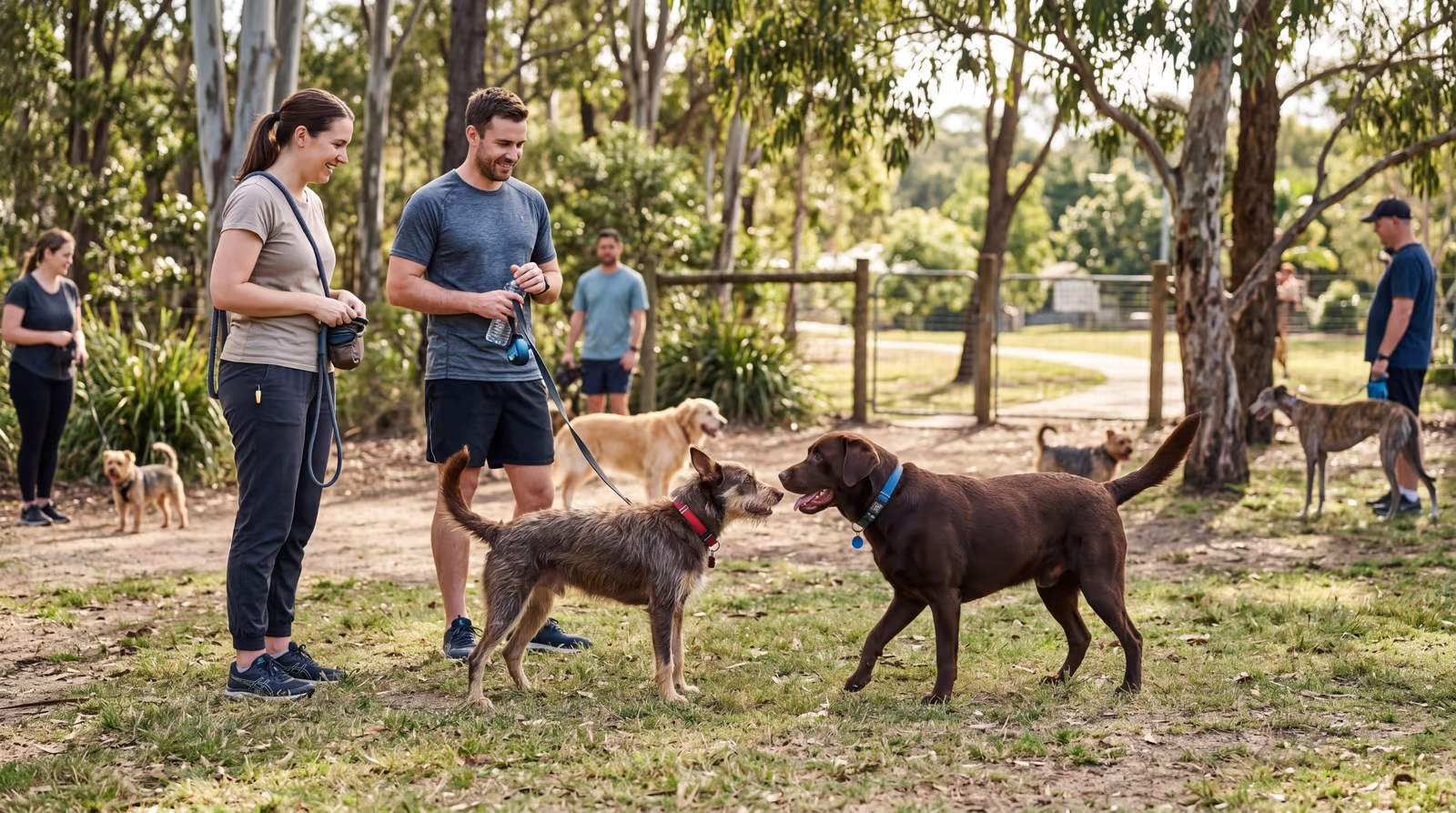
Dog Park Etiquette: 12 Unwritten Rules Every Owner Should Know (2026)
A practical guide to dog park etiquette — the unwritten rules, how to read dog body language, what to bring, and the mistakes to avoid for a safe, friendly visit.
Good dog park etiquette is the invisible glue that keeps an off-leash park safe and friendly — a set of unwritten rules that experienced owners follow without thinking and newcomers often learn the hard way. Master a handful of them and you’ll be the owner whose dog everyone’s happy to see arrive. This guide breaks down the dog park etiquette that matters most: the core rules, how to read canine body language, what to bring (and leave at home), and the common mistakes that cause the trouble.
Looking for the right park to practice at? Browse the directory and filter for fenced parks, or open the live map to find one near you. If your local run isn’t listed yet, you can add it in seconds.
Dog Park Etiquette: The Core Rules
Most of dog park etiquette comes down to a short list of habits:
- Only bring a healthy, vaccinated, sociable dog. A sick, unvaccinated, in-heat, or dog-aggressive dog doesn’t belong in a shared space. (See our guide to dog park health risks.)
- Supervise actively. Watch your dog, not your phone — the single most important rule, because you can only prevent trouble you see coming.
- Clean up every time. It’s the law in most places and the courtesy that keeps parks open.
- Keep your dog under effective control. A reliable recall is your most valuable safety tool.
- Enter calmly through the double gate, and don’t let your dog mob a newcomer at the entrance, which is the most common flashpoint.
- Leave the high-value toys and treats at home if they cause guarding or squabbles.
These align closely with the American Kennel Club’s dog-park etiquette advice and the broader guidance from the ASPCA on dog-to-dog introductions. Get these right and you’ve covered 90% of what matters.
Dog Park Etiquette and Reading Body Language
The other half of good dog park etiquette is being able to read what the dogs are telling you. Healthy play is loose, bouncy, and reciprocal — dogs bow, bounce, take turns chasing and being chased, and pause to “shake off” and reset. That’s the sign of dogs genuinely having fun.
The warning signs are just as readable once you know them: a stiff, frozen body, raised hackles, a hard stare, a tucked tail, one dog being repeatedly pinned or chased without a break, or a dog trying to escape and being followed. When play tips from reciprocal to one-sided, that’s your cue to calmly call your dog away for a breather — a “consent test” (briefly hold the chaser and see if the other dog comes back for more) tells you whether both dogs are still enjoying it. The AVMA’s resources on dog behavior and bite prevention are a great primer on the body-language basics. Stepping in early, before arousal boils over, is the heart of good etiquette.
Dog Park Etiquette: What to Bring (and Leave at Home)
Packing well is part of the etiquette, because it keeps you ready to manage your dog without disrupting everyone else:
- Bring: fresh water and a bowl (skip the communal bowl), plenty of waste bags, a flat collar with current ID and tags, and a leash for entering and leaving.
- Bring discreetly: a recall toy or treats only for calling your dog back, used away from other dogs.
- Leave at home: high-value chews and toys that trigger guarding, a sick or in-heat dog, retractable leashes (a hazard inside the park), and very young children who can be knocked over.
A little preparation means you can step in, recall, or leave smoothly when you need to — which is exactly when good etiquette matters most. Our what-to-bring checklist in the first-aid guide covers the safety side, too.
Dog Park Etiquette Mistakes to Avoid
Even well-meaning owners make a few classic dog park etiquette mistakes. The biggest is phone-watching instead of dog-watching — most incidents are preventable if you catch the warning signs early. Close behind is letting a dog mob the entrance gate, which overwhelms arriving dogs and starts fights. Others include bringing a dog that isn’t enjoying it (forcing a fearful or antisocial dog to “get used to it” usually backfires), ignoring your own dog’s rude behavior because “they’re just playing,” and standing in one tight group so the dogs cluster and guard the space.
Two more worth naming: overstaying until a tired dog gets cranky, and bringing food into the park, which turns a calm space into a competition. The fix for nearly all of these is the same — stay mobile, stay attentive, and be willing to leash up and leave the moment things feel off. There’s no prize for toughing out a bad visit.
Dog Park Etiquette for Puppies and Nervous Dogs
The etiquette shifts a little for the most vulnerable dogs. Puppies should wait until they’re fully vaccinated, then start at quiet times with calm, known-friendly dogs (or a dedicated puppy/small-dog area), with short, positive visits and an early exit before they’re overwhelmed — a single frightening experience can dent a young dog’s confidence for months. Our guide to puppy socialization and the step-by-step how to introduce a dog to a dog park cover the careful approach.
Nervous, reactive, or under-socialized dogs deserve the same patience: choose empty or quiet times, keep sessions short, and never flood a scared dog with a crowd of strangers. For these dogs, a quiet fenced run at an off-peak hour, or even a one-on-one playdate, is far better etiquette than forcing a busy park. Our reactive dogs guide goes deeper. Reading and respecting your own dog’s comfort is the most advanced etiquette skill of all.
The 12 Unwritten Rules of Dog Park Etiquette
Pulling it all together, here are the twelve unwritten rules that define great dog park etiquette:
- Bring only a healthy, vaccinated dog. A sick, in-heat, or unvaccinated dog endangers everyone.
- Bring only a sociable dog. The park is for dogs who enjoy other dogs — not a place to “fix” a dog-aggressive one.
- Watch your dog, not your phone. Active supervision prevents almost every problem.
- Master the gate. Enter calmly, and don’t let your dog mob arriving dogs at the entrance.
- Clean up every single time. No exceptions, even if no one’s watching.
- Leave high-value toys and treats at home. They trigger guarding and fights in a shared space.
- Keep a reliable recall. If you can’t call your dog off, you can’t keep them (or others) safe.
- Read the play, and interrupt early. Step in before arousal tips into a scuffle.
- Don’t let your dog bully — or get bullied. Both are your job to manage.
- Respect size and temperament. Use small-dog areas; don’t force mismatched play.
- Don’t crowd the owners. Standing in a tight group makes the dogs cluster and guard.
- Know when to leave. A tired, cranky, or overwhelmed dog should go home — there’s no prize for staying.
Follow these and you’ll rarely have a bad day at the park. Break several at once, and you’re the owner everyone quietly dreads. Most boil down to the same idea: pay attention, be considerate, and put your dog’s real experience ahead of your own convenience.
A Quick Dog Park Etiquette Checklist
Before every visit, run through this:
- Is my dog healthy, vaccinated, and in the mood to socialize today?
- Do I have water, bags, ID tags, and a leash?
- Have I left high-value toys and treats at home?
- Am I ready to watch my dog and step in early, not scroll my phone?
- Do I know where the exit is, so I can leave calmly if play sours?
That five-point check, run honestly each time, prevents the vast majority of dog park problems and marks you instantly as a considerate owner.
Frequently asked questions
What are the basic rules of dog park etiquette?
The basics of dog park etiquette are simple: only bring a fully vaccinated, healthy, sociable dog; keep them under effective control; pick up after them every time; watch your dog rather than your phone; step in early if play gets too rough; and leave the toys and treats at home if they cause squabbles. Above all, supervise actively and read the room.
Should I bring toys or treats to the dog park?
Generally, no. In a shared off-leash space, a ball or a handful of treats can trigger resource guarding and fights. If your dog needs a toy for recall, use it discreetly and put it away around other dogs. Save the high-value treats for calling your dog back, not for general play.
How do I know if dog play is getting too rough?
Healthy play is loose, bouncy, and takes turns — dogs pause, swap roles, and shake off. Warning signs include stiff bodies, one dog being repeatedly pinned or chased, raised hackles, hard staring, and a dog trying to escape. If you see these, calmly call your dog away for a break.
Can puppies go to the dog park?
Wait until your puppy is fully vaccinated, then start at quiet times with calm, friendly dogs, or a fenced puppy area if one is available. Keep visits short and positive, and step in before play overwhelms them. A single bad experience can set a young dog’s confidence back for months.
Put good dog park etiquette into practice
Great dog park etiquette isn’t complicated — it’s mostly attention, courtesy, and a willingness to read the room and act early. Bring the right dog on the right day, watch and manage rather than scroll, clean up, and respect what your dog and the others are telling you, and you’ll help keep your local park the safe, friendly place every dog deserves. The best-behaved owner, more than the best-behaved dog, is what makes a great park. Learn the unwritten rules, model them for the newcomers, and you become part of what keeps your local off-leash community safe, welcoming, and fun for every dog who walks through the gate. Good etiquette is contagious — when one owner sets the standard, the whole park tends to follow.
Find a dog park near you on Dog Park Finder USA →, with fencing status, photos, and reviews, or open the live map to find the closest one right now.
Compare nearby dog parks before you leave
Open the directory to check fenced status, reviews, photos, map distance, and local park details across the USA.
Keep reading
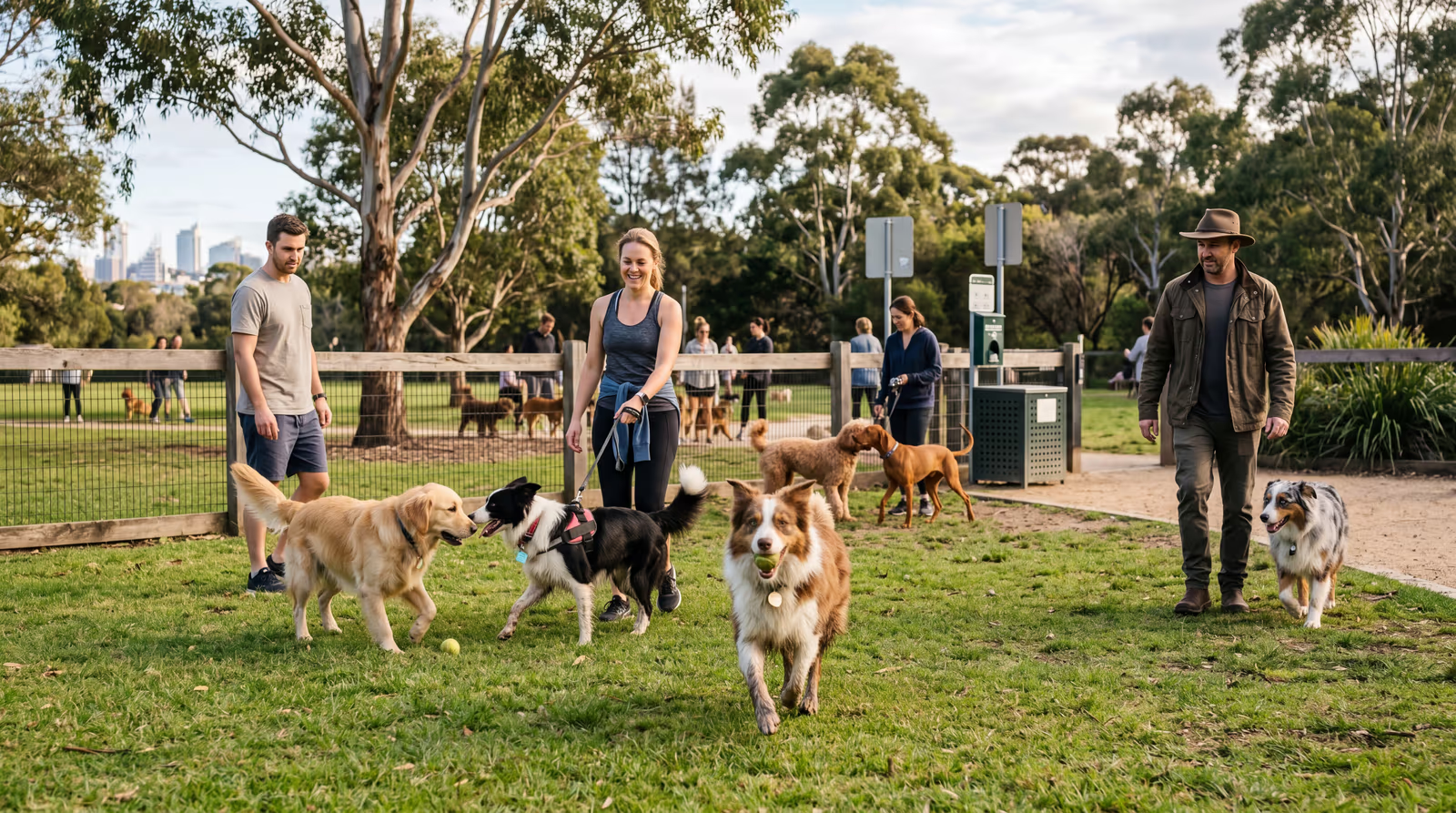
Dog Park Rules in the USA: A State-by-State Guide (2026)
Dog park and off-leash rules across the US, how leash laws work state by state, what 'voice control' means, licensing and rabies requirements, and how local ordinances differ.
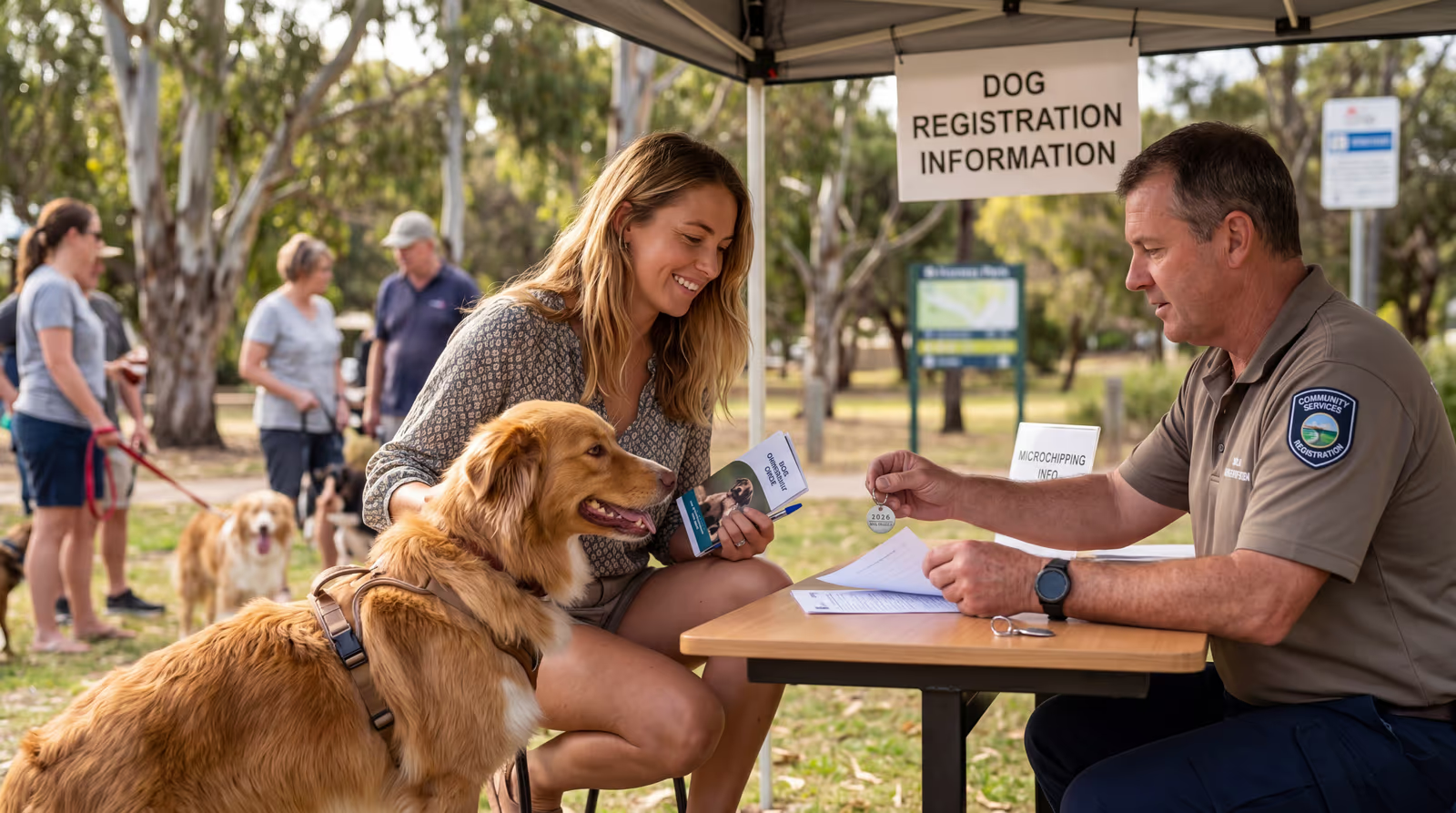
Dog Licensing Requirements in the USA (2026): A State-by-State Guide
A clear guide to dog licensing requirements in the US, why you must license and vaccinate your dog, how it works by state and city, costs, discounts, and penalties.